THE RING
Uniquely numbered, light and harmless
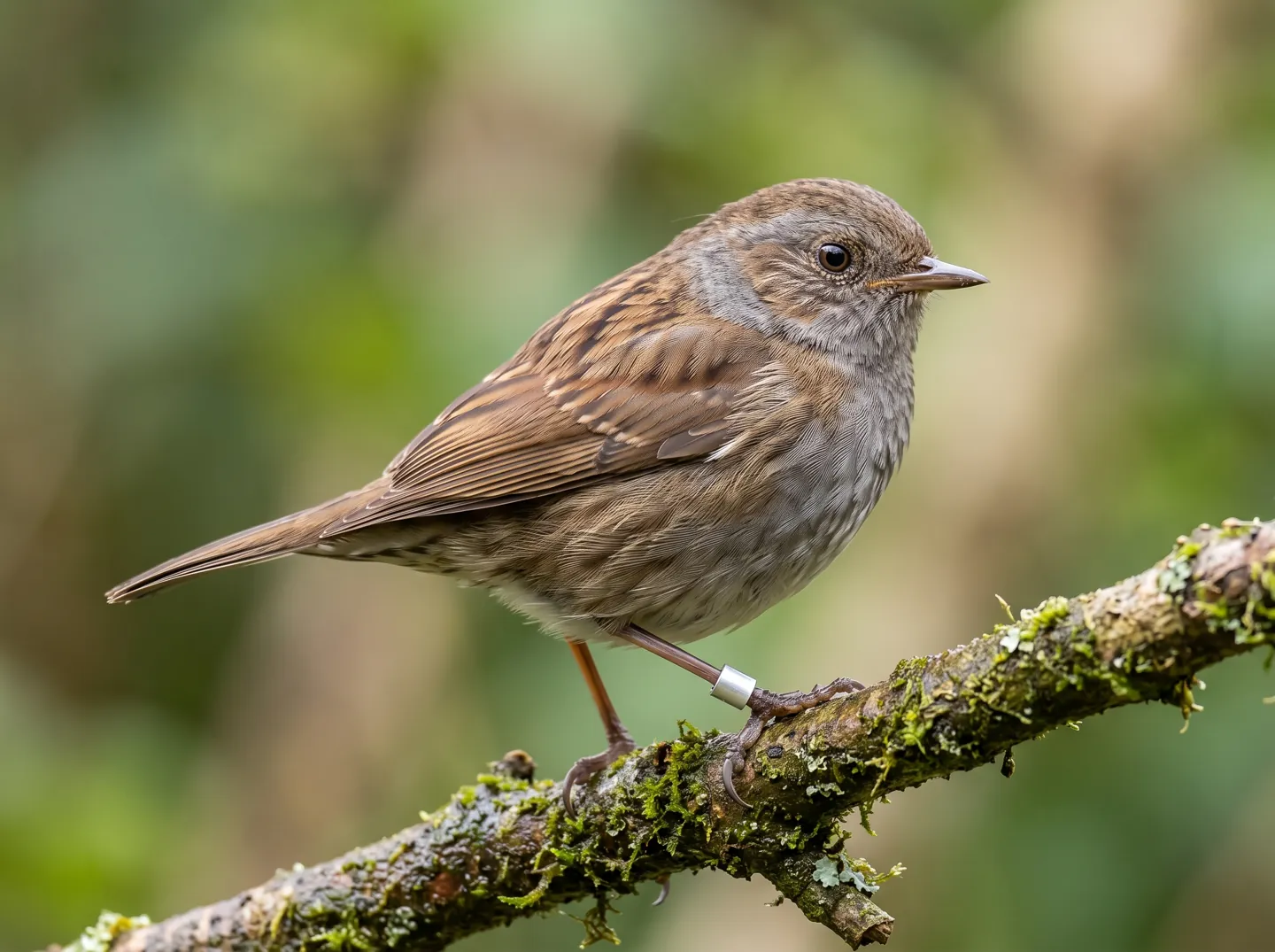
The BTO says ringing means placing a lightweight, uniquely numbered metal ring on a bird's leg, a reliable and harmless way to identify one individual.
Read a mark
 yourlifetrackers
THE ORIGINAL LIFE TRACKERS
REPORT IT every ring counts
The smallest tracker weighs almost nothing.
A lightweight metal ring with a unique number has tracked wild birds in Britain and Ireland for over 100 years. Each time a ringed bird is caught again or found, its journey and its age add to the record.
Updated
Read a markTHE SHORT ANSWER
Rings show how long birds live and where they go.
They only work if people report them.
THE RING
The BTO says ringing means placing a lightweight, uniquely numbered metal ring on a bird's leg, a reliable and harmless way to identify one individual.
Read a markCOLOUR MARKS
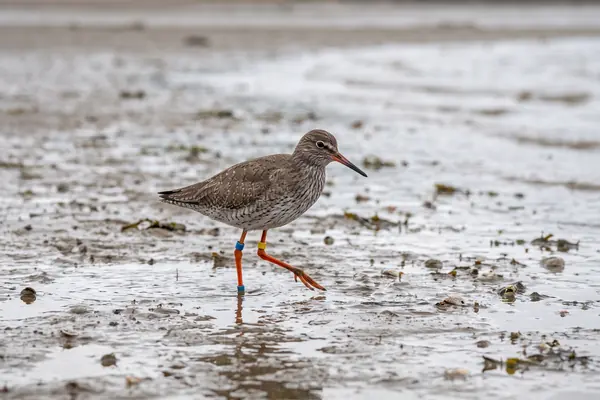
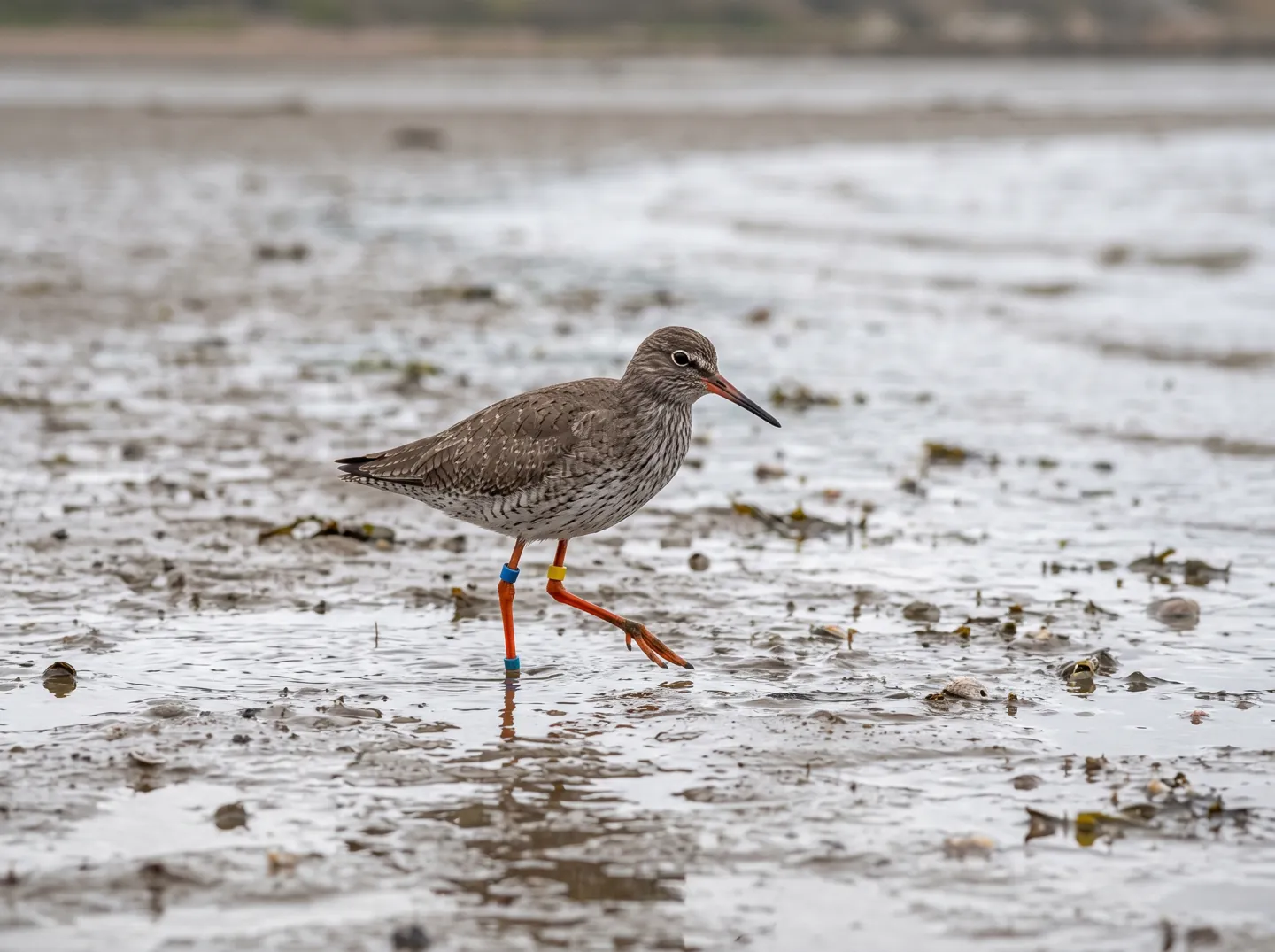
Colour rings, leg flags, neck collars and wing tags let a bird be identified without catching it again. They suit long-legged waders and long-necked geese.
How to reportLIFESPAN
The BTO's longevity records are led by a Manx shearwater from Bardsey that reached 51 years. An oystercatcher from Lincolnshire reached 40.
See the numbersA QUICK MARK CHECK
Pick the mark you noticed. The answer says where the BTO suggests sending it; the bar shows how easily that kind of mark can be read from a distance.
Based on BTO guidance on reporting ringed and colour-marked birds. Follow the BTO's current advice on bird flu before handling any dead bird.
TWO NUMBERS WORTH KNOWING
The oldest ringed bird on the BTO's list,
and how rarely a ringed bird is found again.
51 years
Age of a ringed Manx shearwater from Bardsey
The BTO says it will have spent 51 winters off southern Argentina, covering 1.5 million kilometres just getting there and back. A razorbill, also from Bardsey, reached 42.
OLDEST · BTO
1 in 50
Ringed birds that are found dead
Only about one ringed bird in 50 is found dead, so large numbers must be ringed. Since the scheme began, nearly 50 million birds have produced over one million recoveries.
RECOVERIES · BTO
Source: BTO Bird Ringing Scheme pages. Over 900,000 birds are ringed in Britain and Ireland each year by over 2,600 trained ringers, most of them volunteers.
IF YOU FIND A MARKED BIRD
Most ringers are volunteers, so replies can take time. These steps follow the BTO's reporting guidance.
Write down the species, date, time and place, plus the ring number or colour code exactly as you see it.
Report metal rings on the Euring app or reporting site, which works in many languages.
Search cr-birding or the IWSG register for the scheme and email the contact; otherwise use the Euring site.
Wear disposable gloves or use a plastic bag, double-bag the bird for a lidded outside bin, and check current bird flu guidance.
HATCHED IN 1909
The BTO says the ringing scheme in Britain was 'hatched' in 1909, from a scheme run by British Birds and one at Aberdeen University. In December 1912 came the first recovery of a swallow in South Africa, when some still told the legend of swallows wintering at the bottom of ponds.
There are still gaps. The BTO notes just two House Martin recoveries south of the Sahara, in Senegal and Nigeria, and ringing showed that Britain's growing number of wintering Blackcaps from the late 1970s came from the Continent, not from our own breeding birds.
Questions
The BTO describes the ring as a lightweight, reliable and harmless way to identify an individual bird. Ringers need training and a permit; it usually takes a year or more of regular ringing with qualified ringers to get one.
Report it. The BTO asks people to use the Euring app for rings, and says reports of birds with tags or other marks are also incredibly helpful for tracking movements and population trends.
Try to find the colour-marking project on the cr-birding website or, for waders, the IWSG register, and email the contact. If you cannot find it, report the sighting on the Euring site at ring.ac.
The BTO's top longevity records are a 51-year-old Manx shearwater, a 42-year-old razorbill, a 41-year-old fulmar, a 40-year-old oystercatcher and a 39-year-old pink-footed goose. Very few wild birds get anywhere near these ages.
Monitoring populations. Ringing shows how many young survive to adulthood and how many adults survive breeding, migration and severe weather, which helps explain why some species are declining.
Sources
ABOUT THIS NAME
yourlifetrackers.com is part of the DoodleSale portfolio. It isn't in an auction right now, but you can ask about leasing it.